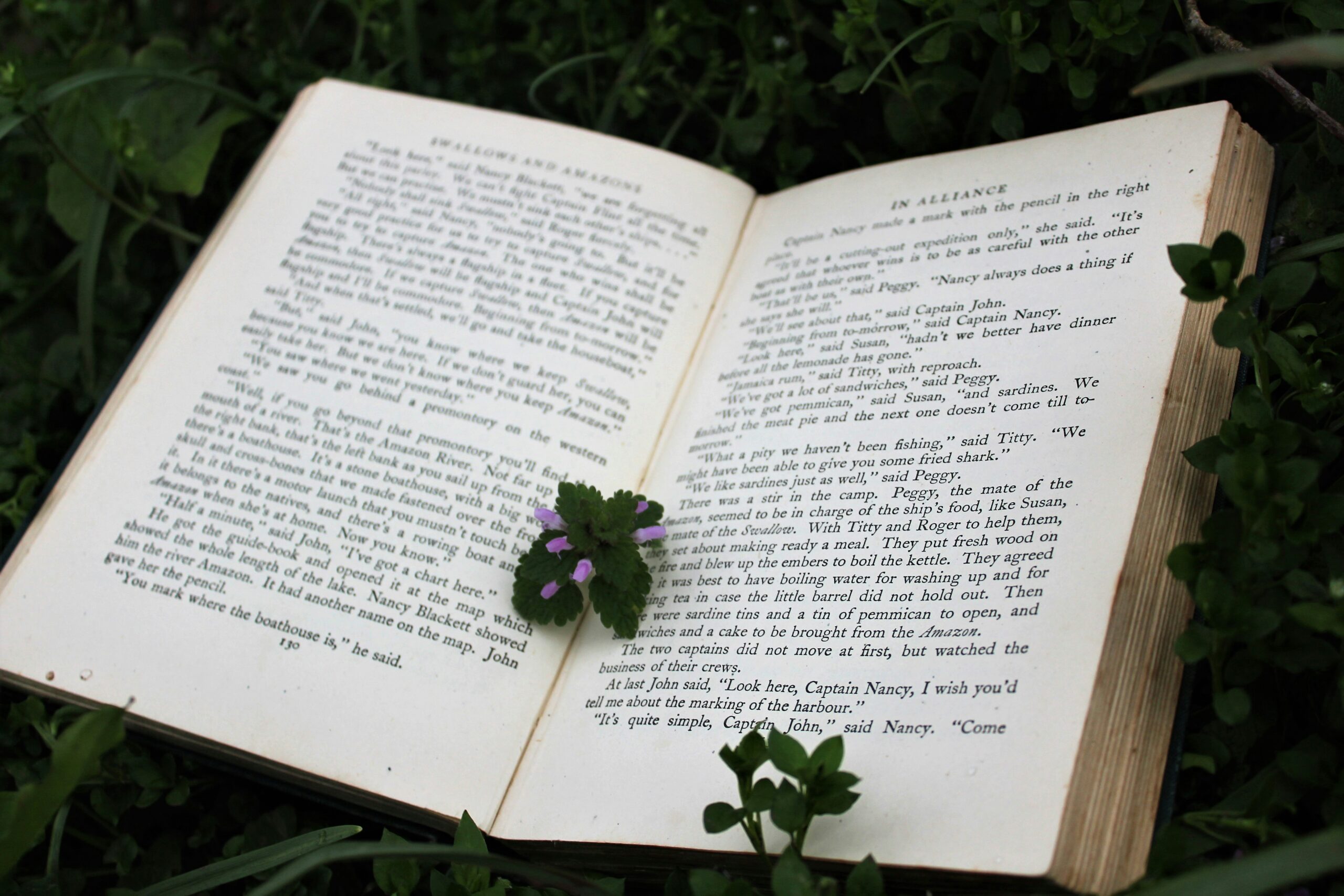
Here is a simple, clear learning path to help you understand the basics of literary composition—structured like a step-by-step course you can follow at your own pace.
1. Understand What “Composition” Means
- Literary composition = arranging words, ideas, and emotions to create a coherent piece of writing.
- Your goal: clarity, intention, and impact.
2. Learn the Basic Building Blocks
Focus on these essentials:
- Words — vocabulary, connotation, tone
- Sentences — structure, rhythm, balance
- Paragraphs — unity, flow, transitions
- Purpose — why you’re writing (to inform, entertain, evoke emotion)
3. Master the Core Elements of Craft
These are the universal skills across all genres:
- Voice — your unique sound
- Style — how you arrange language (formal, lyrical, minimalist, etc.)
- Tone — emotional color of the writing
- Imagery — showing vs. telling
- Diction — word choice that fits the mood
- Pacing — when to slow down or speed up
- Clarity — making sure readers understand you
- Coherence — connecting ideas smoothly
Activity: Rewrite a simple scene in three tones—humorous, melancholic, romantic.
4. Learn the Three Core Structures
Whether fiction or nonfiction, writing usually follows:
- Beginning — set expectations
- Middle — develop ideas or tension
- End — resolve, reveal, or conclude
For fiction:
- Introduction → Rising Action → Climax → Falling Action → Resolution
For essays:
-
Thesis → Supporting arguments → Conclusion
Exercise: Outline a favorite book or article to see its backbone.
5. Fiction-Specific Craft (Optional but Useful)
If you want to write stories, learn:
-
Character development
-
Conflict
-
Plot arcs
-
Worldbuilding
-
Dialogue
-
Theme
Each of these deepens your narrative and emotional impact.
6. Practice the Art of “Showing vs. Telling”
This is one of the biggest skills in composition:
-
Telling: statement of facts (“She was angry.”)
-
Showing: sensory action (“Her fists clenched as she spoke.”)
Exercise: Turn 5 “telling” sentences into “showing” ones.
7. Revision Skills
Great writing comes from rewriting. Focus on:
-
Cutting unnecessary words
-
Strengthening verbs
-
Smoothing transitions
-
Clarifying ideas
-
Sharpening emotion or imagery
Tip: Distance helps. Wait 24 hours before revising.
8. Reading as a Writer
Choose 1–2 books to study, not just read:
-
Underline strong sentences
-
Notice how the author handles conflict, transitions, emotion
-
Analyze pacing
Reading with awareness is one of the fastest ways to improve.
9. Create a Simple Writing Routine
Start small:
-
10 minutes a day
-
One small exercise per day:
-
Describe an object vividly
-
Recreate a memory
-
Write dialogue between two clashing characters
-
Summarize a scene in 3 different moods
-
Consistency beats intensity.
10. Produce a Short Piece
Aim to finish one small project:
-
A 500–1000 word story
-
A short reflective essay
-
A character vignette
-
A descriptive scene
This builds confidence and helps you apply everything you learned.
Optional: Feedback & Growth
Show your writing to:
-
A writing partner
-
An online forum
-
A teacher
-
Or me—I can give structured critique
Feedback reveals your blind spots and sharpens your strengths.
Leave a Reply